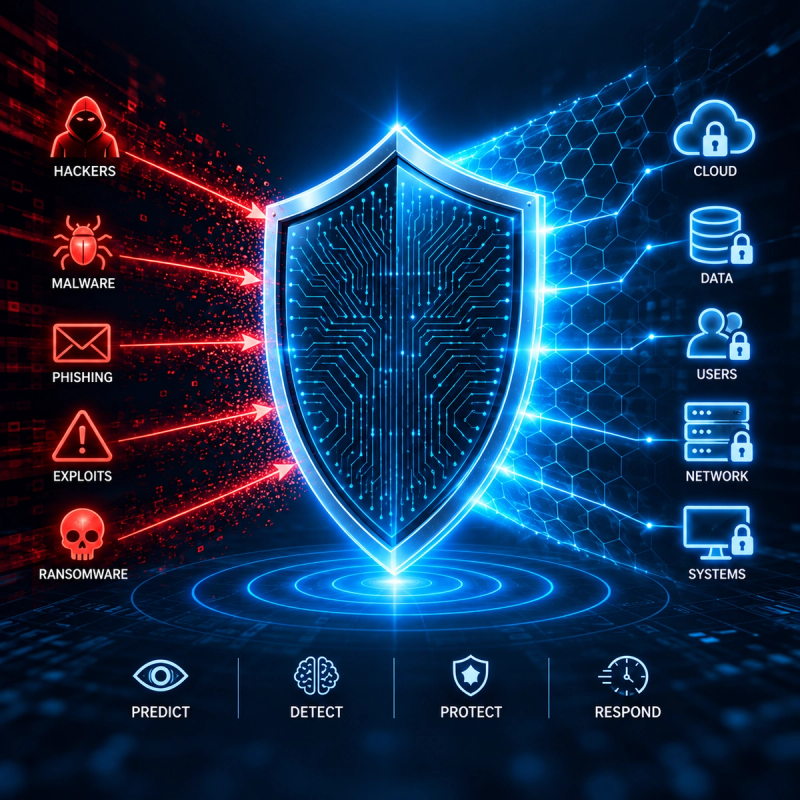

The Future of Cybersecurity Is Proactive, Not Reactive
Stop chasing alerts after the breach. Explore how proactive AI-driven detection with Neural Echoes and Synthetic Cognitive Agents uncovers threats before they escalate.
Cybersecurity Is Entering a New Era
For years, cybersecurity has focused on building stronger walls, collecting more telemetry, and responding faster to alerts. While these capabilities remain essential, they are no longer enough against modern attackers who exploit legitimate credentials, automation, and AI to operate quietly within enterprise environments.
The next evolution isn't simply better detection - it's anticipating malicious activity before it becomes an incident.
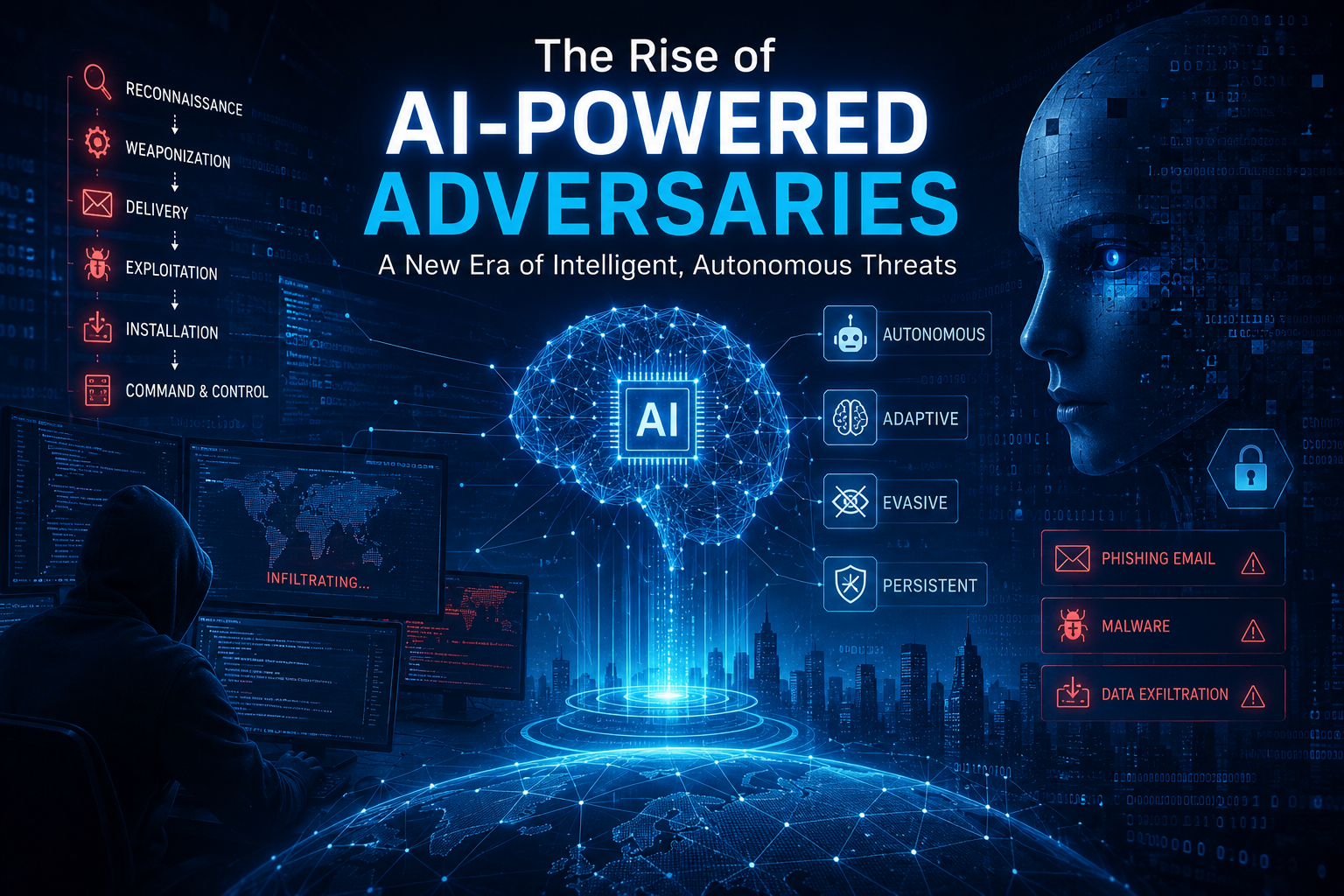
The Rise of AI-Powered Adversaries
Attackers are increasingly using AI to automate reconnaissance, generate phishing campaigns, identify vulnerable systems, and accelerate lateral movement.
As offensive capabilities evolve, defenders cannot rely solely on rule-based detection or historical indicators. Security strategies must become equally intelligent and adaptive.
From Visibility to Understanding
Modern security platforms collect enormous amounts of telemetry, but visibility alone doesn't create better security.
Organizations need systems that understand behavior, connect seemingly unrelated activities, and surface meaningful signals instead of overwhelming analysts with isolated alerts.
The future belongs to platforms that transform data into actionable intelligence.
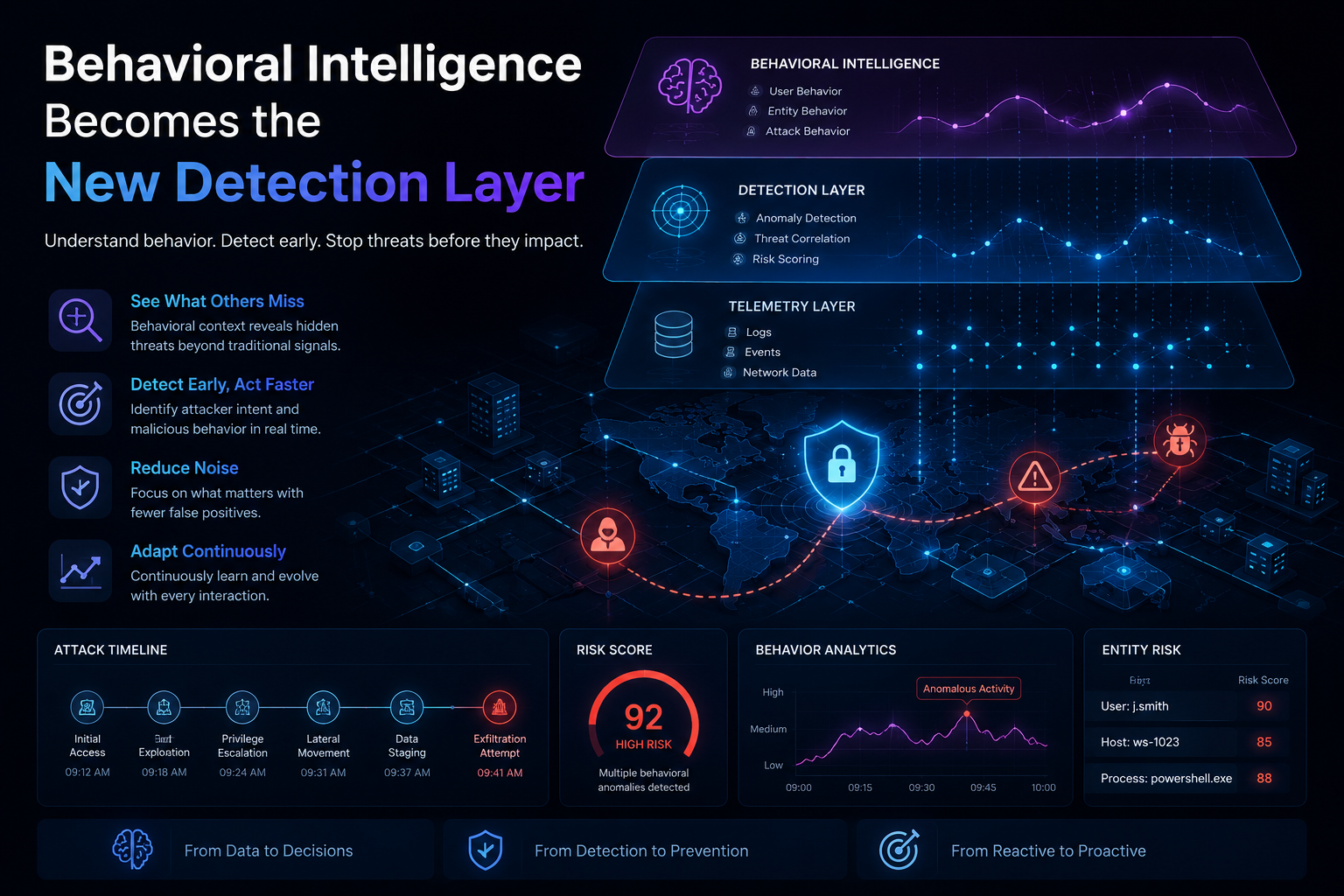
Behavioral Intelligence Becomes the New Detection Layer
Rather than focusing exclusively on malware signatures or known indicators, next-generation security solutions analyze behavioral patterns.
Small interactions that appear harmless individually can reveal coordinated attacker activity when viewed collectively. Behavioral intelligence provides the context needed to identify threats much earlier in the attack lifecycle.
AI Will Become Every Analyst's Partner
Security teams aren't just battling attackers - they're also facing alert fatigue, staffing shortages, and increasingly complex environments.
AI will become an operational partner that continuously analyzes activity, prioritizes investigations, and accelerates decision-making, allowing analysts to focus on the highest-risk events.
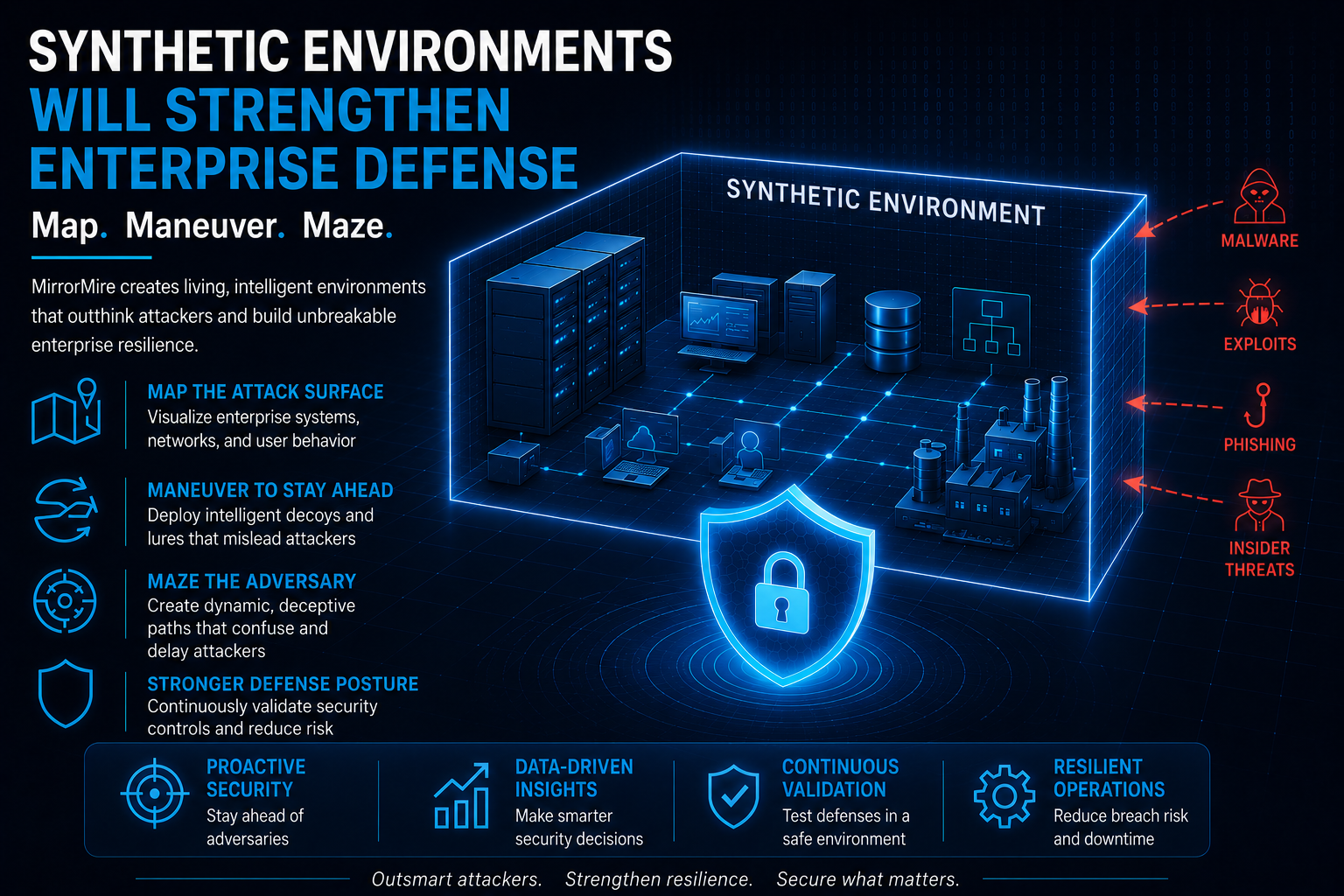
Synthetic Environments Will Strengthen Enterprise Defense
Organizations are beginning to move beyond passive monitoring by introducing intelligent synthetic assets into their environments.
These environments enable defenders to observe attacker behavior safely, collect high-confidence intelligence, and gain insights that would otherwise remain invisible in production systems.
Rather than waiting for attackers to reach critical assets, defenders gain opportunities to identify malicious intent much earlier.
The Security Operations Center Will Change
Tomorrow's SOC will spend less time triaging endless alerts and more time validating high-confidence behavioral intelligence.
Analysts will investigate richer context, AI-assisted timelines, and behavioral patterns instead of manually correlating disconnected events across multiple tools.
The result is faster investigations, better prioritization, and greater operational efficiency.
Building Cyber Resilience for the Future
The future of cybersecurity isn't defined by adding more security products.
It will be shaped by platforms that combine AI, behavioral intelligence, automation, and adaptive detection to reduce uncertainty and improve decision-making.
Organizations that embrace proactive security will be better positioned to detect emerging threats, reduce operational complexity, and strengthen resilience against an increasingly sophisticated threat landscape.
Conclusion
Cybersecurity is moving beyond a model centered on responding to incidents.
The next generation of security will focus on understanding attacker behavior, leveraging AI to amplify human expertise, and identifying threats before they disrupt business operations.
The future isn't about reacting faster.
It's about seeing sooner, understanding more deeply, and acting before attackers succeed. That's the advantage MirrorMire delivers - transforming early attacker interactions into actionable intelligence that helps security teams protect critical systems before a breach occurs.