The Dangers of Lateral Movement
Part of our guide to deception technology
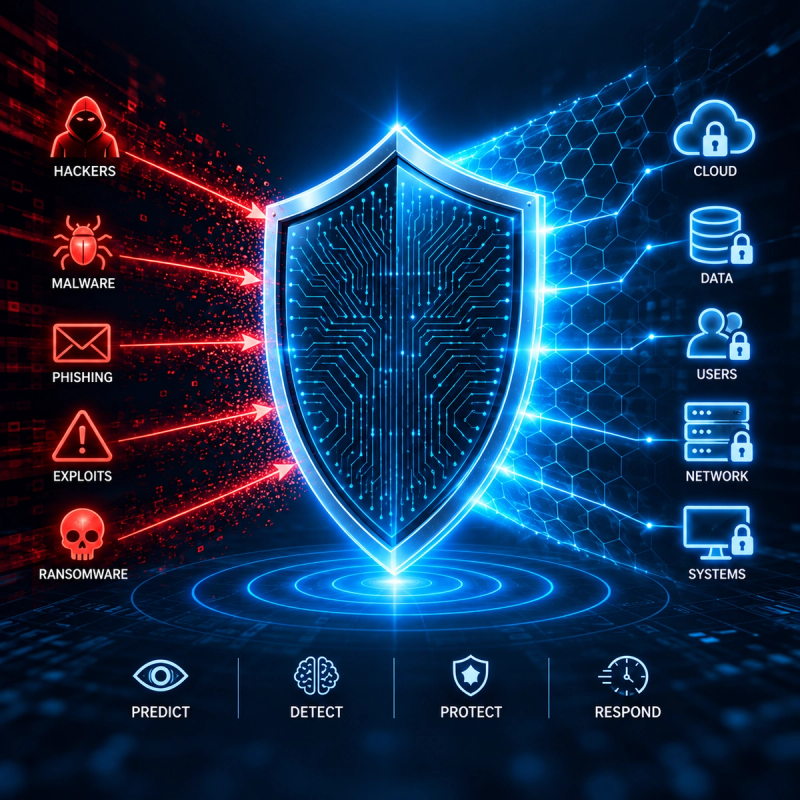
A huge challenge in cybersecurity occurs when an adversary already breaches a system and proceeds to move laterally, finding high-value systems causing a serious incident. That is where deception can shift the balance.
In many cyber attacks, the initial compromise is only the beginning. Once an attacker gains access to one system, they often begin moving through the environment in search of more valuable targets. This process is known as lateral movement.
Lateral movement happens when an adversary uses a compromised device, account, or access point to pivot deeper into a network. Instead of stopping at the first system they reach, they test credentials, explore trust relationships, and identify pathways to servers, data stores, administrative accounts, or other critical assets. MITRE ATT&CK defines lateral movement as the techniques adversaries use to move through an environment and control remote systems on a network.
The danger of lateral movement is that it allows a relatively small intrusion to become a much larger security event. An attacker who begins with one endpoint may be able to move toward domain controllers, sensitive data, operational systems, or cloud resources if they are not detected and contained early. The more freedom an attacker has to move, the more likely they are to escalate privileges, disrupt operations, and increase the cost of response.
This is one reason traditional security strategies often struggle. Detecting initial compromise is important, but it does not always tell defenders where the attacker is trying to go next. By the time lateral movement becomes obvious, the adversary may already have a stronger position inside the environment. That makes early insight and containment especially important.
This is where deception can play a meaningful role. By creating controlled, believable assets and pathways, deception technology can help defenders spot unauthorized movement earlier and generate stronger signals when attackers interact with things they should not be touching. Solutions like AMazeTM are designed to help security teams gain better visibility into attacker behavior, reduce uncertainty, and limit the freedom that makes lateral movement so dangerous in the first place.
Sources
- MITRE ATT&CK, Lateral Movement: https://attack.mitre.org/tactics/TA0008/
- MITRE Engage overview: https://www.mitre.org/news-insights/impact-story/mitre-engage-framework-and-community-cyber-deception